Food Order and Post-Meal Glucose: Evidence and Practical Use
By Mr. Black · Sources (2)
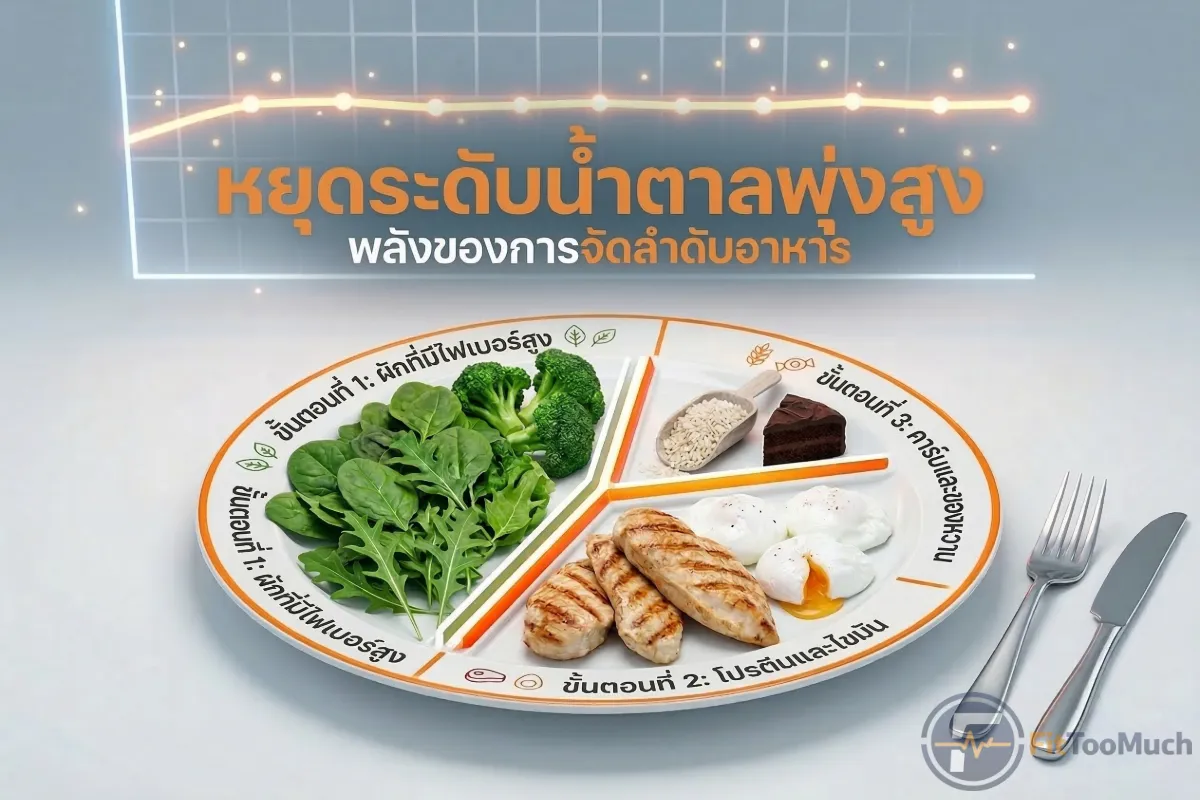
Have you ever wondered why some people can enjoy desserts while maintaining a lean physique? The real secret lies in a biological mechanism called "Glucose Spikes"—the rapid rise in blood sugar levels after a meal.
Food order may influence post-meal glucose in some settings. It does not replace portion awareness, food quality or a treatment plan, and should not be promised to produce greater fat loss with otherwise identical food and energy intake.
1. Understanding Glucose Spikes: The Enemy of Fat Loss
Carbohydrate can normally raise glucose after a meal. Insulin helps regulate nutrients; it is not a switch that prevents all-day fat loss because you ate starch once. Distinguish acute fuel changes from long-term fat balance, and distinguish diabetes management from advice for people without diabetes.
Before optimizing your meals, check your biological baseline using our BMI Calculator and Body Fat % Calculator.
2. The Golden Rule: 3 Steps of Food Sequencing
- Fiber: Start with greens to create a "mesh" that slows sugar absorption.
- Protein & Fats: Follow with meat and healthy fats to trigger satiety.
- Carbs & Sugars: Save these for last to flatten the glucose curve.
| Comparison | Traditional Eating | Food Sequencing |
|---|---|---|
| Blood Sugar Level | Depends on meal and person | Depends on meal and person |
| Insulin Release | Context-dependent, not a diagnostic result | Context-dependent, not a diagnostic result |
| Fat Storage | Order alone cannot predict long-term fat change | Order alone cannot predict long-term fat change |
| Energy & Cravings | Fullness and energy vary | Fullness and energy vary |
3. Professional Planning with FitTooMuch Tools
While food order is vital, managing your overall energy balance is still key. Make sure to use these tools:
- Energy Balance: Use the BMR/TDEE Calculator to manage your daily calorie intake effectively.
- Macros: Utilize the Macro Calculator to reach your Ideal Weight goals.
- Hydration: Monitor your Water Intake to avoid false hunger signals caused by dehydration.
Summary: The Key to Sustainable Health
Try vegetables, then protein, then carbohydrate if convenient, without feeling obliged to separate every mixed dish. Adequate, varied meals remain central. Food order does not guarantee low insulin, fat loss or slower ageing, and eating in a different order is not a failure.
You do not need compensatory exercise after eating more than planned. Return to your usual meals and activity. Use the activity calculator for estimates, not calorie debt, and select suitable movements from the exercise library.
Mixed dishes such as fried rice, noodles or sandwiches do not need to be dismantled into a perfect sequence. Consider whether the meal includes vegetables and protein, how its portion fits hunger, and whether it leaves you comfortably satisfied. People using glucose-lowering medicine should not adjust medication because of a food-order experiment; use monitoring targets agreed with their clinician.
Sources and further reading

Mr. Black
A software developer passionate about health and fitness. Created FitTooMuch with the intention of transforming standard scientific formulas into easy-to-use, accurate, and free tools to help everyone with their basic health planning.