Stress, Cortisol and Weight: Habits and Recovery
By Mr. Black · Sources (3)
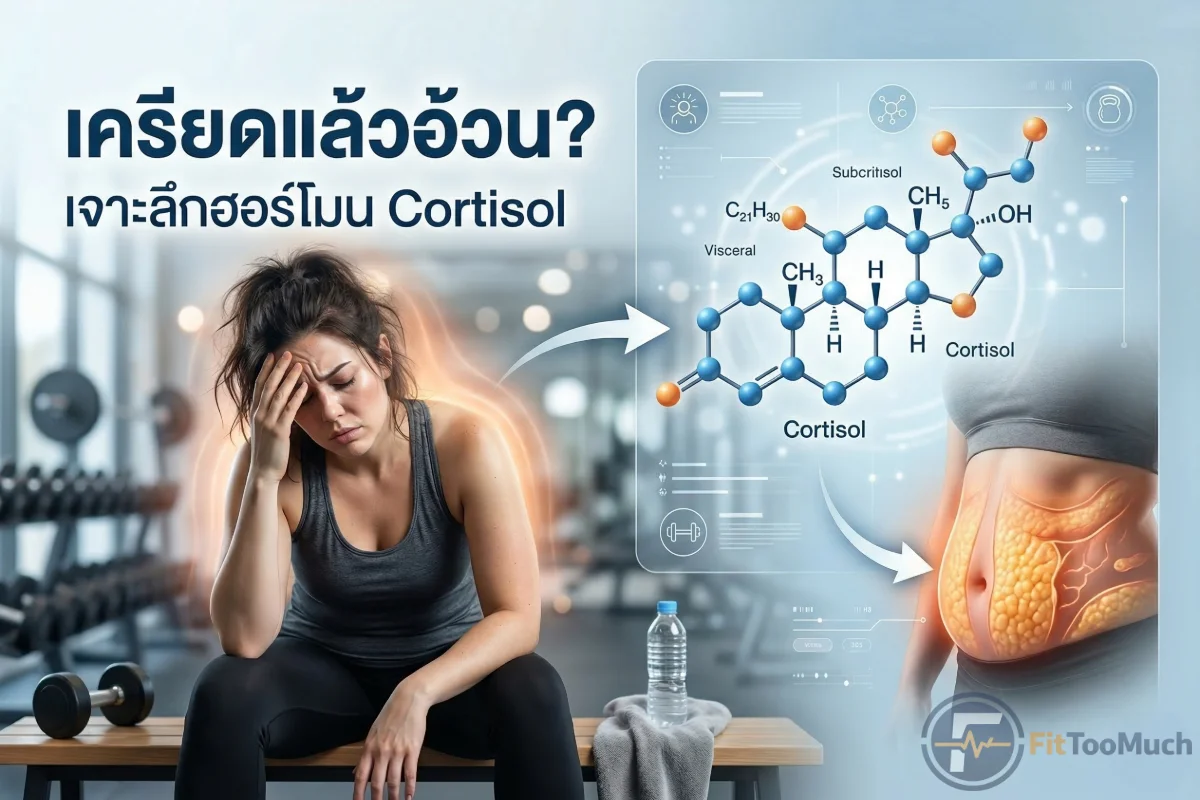
Have you ever wondered why you're strictly controlling your diet, weighing every gram of food, and hitting the gym almost every day, yet the scale won't budge? Or even worse, that stubborn belly fat just seems to stay put no matter how many crunches you do. Many people react by pushing harder—more cardio, fewer calories—only to find their results worsening. What might be missing from your plan isn't more discipline, but stress management and understanding a hormone called Cortisol.
This guide explores stress, sleep, eating behaviour and training while separating normal cortisol physiology from hormonal disorders. Belly shape or a weight plateau cannot diagnose high cortisol. Weight management should not become an attempt to suppress a single hormone; the practical aim is a routine that supports health and remains manageable.
1. Understanding Cortisol and Its Normal Role
Cortisol is a steroid hormone produced by your adrenal glands. In a healthy body, it follows a natural circadian rhythm: peaking in the early morning to help you wake up and dropping at night to allow for restful sleep.
Its primary role is survival. Through the "Fight or Flight" response, cortisol signals the liver to release glucose into the bloodstream, providing an immediate energy surge to your muscles so you can fight off a predator or run for your life.
Work, financial worries and training load can disrupt sleep and self-care, but cortisol does not remain uniformly elevated in every stressed person. Pathological cortisol excess, such as Cushing’s syndrome, differs from ordinary stress and requires clinical assessment. Read the following relationships with that distinction in mind, not as a self-diagnosis checklist.
- Abdominal fat: distribution reflects genetics, age and health among other factors. A claim about four times as many receptors cannot establish that everyday stress moves fat from other body parts into the abdomen. Appearance alone does not reveal hormone levels.
- Muscle: pathological cortisol excess or some medicines can affect muscle, but fatigue after a busy week is not evidence that muscle is being destroyed. Consider food, training volume, recovery and other symptoms together.
- Glucose regulation: cortisol participates in energy regulation, but stress does not prove insulin resistance or inevitable weight gain. Diabetes and endocrine assessment require an appropriate history and testing, not inference from this article.
Use BMI and BMR/TDEE as planning information, not cortisol tests or explanations for a plateau. Severe restriction can make hunger and recovery harder to manage. Review the suitability of your plan rather than concluding that a hormone has switched fat loss off.
2. The Stress-Eating Cycle: Biology Over Willpower
Stress can increase or decrease appetite, and responses differ. This is not a moral failure or necessarily a single-hormone mechanism. Notice the sequence of circumstances, feelings and actions rather than blaming yourself or diagnosing a hormonal problem.
- A busy day may lead to missed meals and later hunger; review timing before adding restriction.
- Poor sleep may change appetite, but hunger cannot tell you your ghrelin or leptin level.
- Enjoyable food can be one way of coping. Add other options such as a short break or asking for support without banning the food completely.
Meals with adequate energy, protein and fibre may support fullness. The Macro Calculator estimates planning targets; it does not treat stress-related eating. If eating causes distress or frequently feels difficult to control, seek support rather than continually adding food rules.
3. Symptoms to Notice, Not a Cortisol Test
The following symptoms are nonspecific and cannot confirm high cortisol. Sleep, work, medicines and other health issues may contribute. Persistent, severe or disruptive symptoms warrant professional assessment; matching several items is not a reason to self-prescribe tests or supplements.
- Stubborn belly fat that resists diet and exercise.
- Difficulty falling asleep or waking up at 3 AM unable to drift back off.
- Intense cravings for sugary or very salty foods.
- Feeling "tired but wired"—exhausted all day but suddenly alert at night.
- Frequent illnesses or slow recovery from workouts.
4. Supporting Stress Management and Recovery
Managing cortisol doesn't mean quitting your job; it's about providing "biological safety" to your body through four pillars:
A. Smarter Training, Not Harder Training
When life demands are high, reducing training intensity or duration may leave more room for recovery. Easy walking, yoga or full rest are options depending on symptoms. This does not require claims that HIIT keeps cortisol elevated for days or that exactly 20 minutes outdoors guarantees a hormone reduction. Choose what is tolerable and repeatable.
Track your movement with our Calories Burned tool to maintain progress without burnout.
B. Anti-Stress Nutrition
Varied food supplies essential nutrients. The following are food sources, not an adrenal treatment package or a recommendation to buy supplements.
- Magnesium: nuts and leafy greens are sources. It is essential, but eating extra does not guarantee stress relief.
- Vitamin C: varied fruit and vegetables are sources; high doses are not required to suppress cortisol.
- Omega-3: fish and some plant foods provide different forms. They can fit a varied diet, not a guaranteed treatment for stress-related brain inflammation.
C. Mastering Sleep Hygiene
Prioritise adequate, consistent sleep. Many adults need roughly 7–9 hours, with individual variation. A quoted 37% cortisol increase cannot predict every person’s response to one bad night. Reduce avoidable disruption, make the room comfortable, and seek advice for persistent insomnia or signs of breathing interruptions during sleep.
D. Mindfulness and the Power of "No"
Slow breathing, journaling or a quiet break may help some people manage feelings, but calmness is not a fat-release switch. Start with a manageable practice and assess its usefulness. Work boundaries and support also matter; responsibility should not be placed entirely on a stressed person to meditate successfully.
5. FAQ: Common Questions on Stress and Fitness
Q: Does coffee increase cortisol?
A: Caffeine can affect acute responses and people vary in sensitivity. Drinking it on an empty stomach does not establish a hormonal disease. If you notice palpitations, anxiety or disrupted sleep, review total caffeine and timing, including tea, energy drinks and pre-workout products.
Q: Should I always avoid intense exercise?
A: Not at all. Intense exercise is great when your body is recovered and your mind is fresh. The key is Auto-regulation—adjusting your intensity based on your total life stress.
Summary: Quality of Life Alongside Health Goals
Stress support is valuable for quality of life even when weight does not change immediately. It does not guarantee an automatic return to an ideal weight. Consider food, movement, recovery and life circumstances together rather than using the scale to judge whether you have managed stress successfully.
Let FitTooMuch be your partner on this journey. Use our professional tools to plan your goals systematically, and you'll find that achieving your dream body can be a peaceful, rewarding process.
A One-Week Log Without Self-Testing Hormones
Record just sleep timing, perceived stress, missed meals and training effort. For example, a late workday may lead to a missed dinner and more snacking. A practical experiment is to prepare an accessible meal and reduce that day’s training demand, not restrict the following day to compensate. Review whether energy and sleep improve during the next week. This log informs everyday choices; it does not diagnose an endocrine condition.
Sources and further reading

Mr. Black
A software developer passionate about health and fitness. Created FitTooMuch with the intention of transforming standard scientific formulas into easy-to-use, accurate, and free tools to help everyone with their basic health planning.