Active Recovery: Planning Rest Days, Easy Movement and Recovery
By Mr. Black · Sources (2)
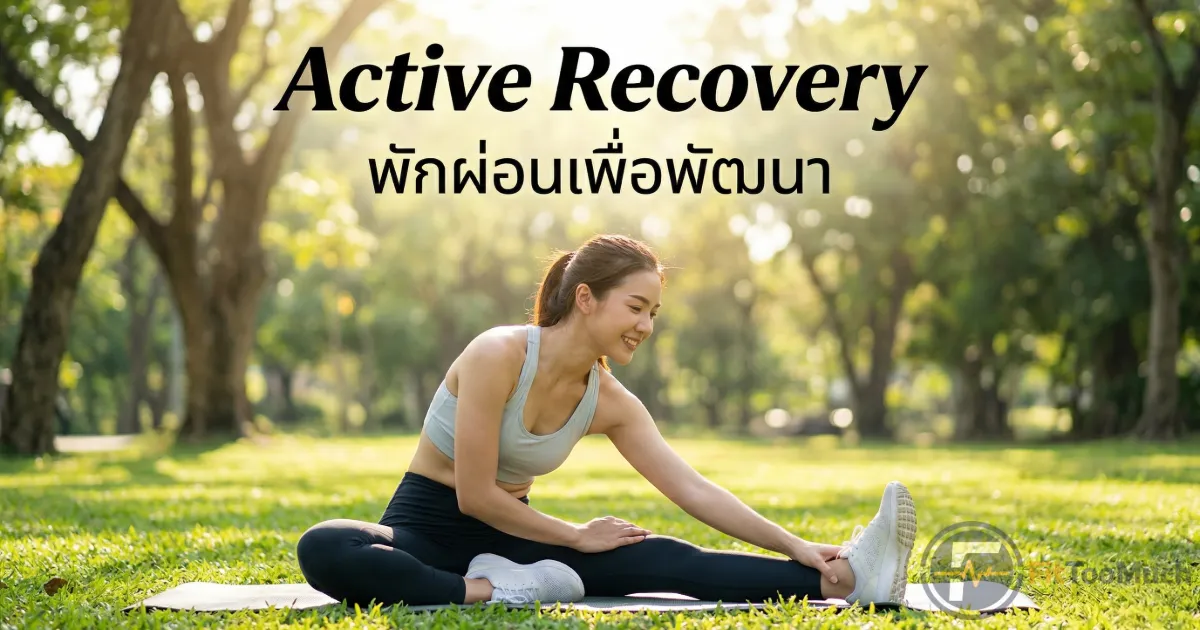
Have you ever wondered why professional athletes or fitness enthusiasts can return to intense training almost every day without looking overly exhausted? While many people exercise for just one day and then need to lie down for 3-4 days because the muscle soreness is so intense they can barely move.
Several factors matter: training dose, experience, food, sleep and recovery choices. Complete rest is not a misunderstanding. Active recovery means easy movement during recovery and may suit some people on some days. Choose based on your actual readiness rather than comparing your schedule with a professional athlete supported by a care team.
This guide explains how to choose between easy movement and full rest, including evidence limits and adaptable examples. The aim is to support your next session without promising that movement always accelerates muscle growth or resolves soreness faster.
What is Active Recovery? The Factory Analogy
A factory analogy can illustrate increased workload followed by recovery, but the comparison has limits. Next-day muscle soreness is not caused by lactic acid trapped as waste. Describing recovery as opening a vent or flushing toxins misrepresents the physiology. Soreness also does not score how productive a session was; both a comfortable session and an unfamiliar session can be useful without producing the same symptoms.
Complete rest does not turn circulation off or trap waste in muscles. Recovery processes continue while you rest. Rest may be appropriate when you are very tired, ill or when movement makes symptoms worse. There is no need to feel guilty because a rest day has no step count or exercise-calorie achievement. Not every rest day needs to become another workout.
Easy movement may feel comfortable or relaxing, but temporary relief does not prove that muscle tissue has fully recovered. Research on active cool-downs distinguishes blood-lactate changes from soreness outcomes. An improvement in one measure cannot establish that every aspect of recovery happens faster. Choose the activity for its tolerability and practical fit, not a promise of rapid repair.
Three Points to Understand: Circulation, Lactate and Soreness
- Circulation: movement changes blood flow, but more flow does not automatically mean faster tissue repair. Consider comfort during the activity and symptoms afterwards when deciding whether that activity fits your recovery day.
- Lactate: easy activity after exercise can accelerate blood-lactate clearance, but lactate is not the explanation for next-day DOMS. A recovery day is not a treatment to wash acid out of sore muscles.
- Stiffness and soreness: some people feel better moving and others prefer rest. Evidence for reducing DOMS is inconsistent. Increasing or focal pain is not a reason to push harder in the belief that recovery must hurt first.
The Golden Rules: Don't Turn Rest into Training
- Stay Comfortable (Low Intensity): Your effort level should be about a 3 out of 10. You should feel active but not strained.
- Pass the Talk Test: You should be able to maintain a full conversation or sing easily without gasping for breath.
- Keep it Short: Limit the session to 20-45 minutes. You don't want to burn through the energy you need for tomorrow's workout.
Recommended Activities for Your Next Rest Day
Brisk Strolling
The perfect low-impact activity. Promotes full-body circulation while giving your joints a break.
Light Mobility & Yoga
Focus on deep breathing and releasing tight muscles. Great for body alignment.
Easy Swimming
Easy swimming or water walking can be an option when comfortable, but it is not an automatic treatment for inflammation. Use an environment appropriate to your swimming ability and stop if symptoms worsen.
Leisurely Cycling
After a hard leg session, a short easy cycle is an option to assess for comfort, not a requirement to flush lactate. It is not always better than rest. Stop and reassess if moving increases pain.
Maximizing Your Recovery: Water and Protein
- Drink appropriately: do not force fluids to flush toxins. The water tool gives a rough estimate; account for heat, sweating and any prescribed fluid restriction.
- Eat Quality Protein: Even on rest days, your muscles are under construction. Ensure you meet your goal with our Protein Calculator.
- Quality Sleep: Sleep is when your body releases the highest amount of Growth Hormone for repair.
Comparison Table: Passive vs Active Recovery
| Benefit | Passive Rest (Total Inactivity) | Active Recovery (Light Movement) |
|---|---|---|
| Muscle Repair | Recovery continues; depends on training load | Not consistently faster than complete rest |
| Soreness (DOMS) | Varies with the person and session | May feel comfortable; faster DOMS relief is not assured |
| Mental State | Relaxed (May feel lazy) | Refreshed (Energized for the next session) |
Summary: Transform Your Rest Days into Growth Days
Rest belongs in a training plan whether it includes easy movement or full rest. What matters is how the choice supports your readiness. No single method guarantees progress. Avoid using recovery days to compensate for eating or chase calorie targets; adjust to symptoms and assess the longer-term pattern.
Try it today. Instead of scrolling on your phone all evening, go for a pleasant 20-minute walk. Your muscles will thank you tomorrow!
Further Reading and Guidelines:
- Top recovery tips from international fitness experts.
- Gentle movement guidelines for improved athletic longevity.
- Studies on lactate removal during active vs passive rest.
- How to manage post-workout soreness naturally.
- The link between blood circulation and muscle tissue repair.
A Rest-Day Decision Example
Suppose you trained legs yesterday and have mild, diffuse stiffness but can walk normally. Try five to ten easy minutes and reassess; the 20–45 minute example above is not a minimum requirement. Continue only while comfortable and able to converse normally. If you feel more fatigued or pain increases, shorten or stop the activity. There is no step-count debt to repay.
On another day, poor sleep, whole-body fatigue or sharp focal pain may make full rest the better choice. Calling a session active recovery does not justify pushing through symptoms. Severe pain, substantial swelling, unusual weakness or dark urine after hard exercise warrants medical assessment rather than an attempt to walk or stretch it away.
Record the activity, duration, effort and next-morning readiness in your training log. These observations can guide the next rest day more usefully than soreness alone. Compare several occasions, since sleep, food and everyday stress also influence how recovered you feel.
Sources and further reading
Mr. Black
A software developer passionate about health and fitness. Created FitTooMuch with the intention of transforming standard scientific formulas into easy-to-use, accurate, and free tools to help everyone with their basic health planning.