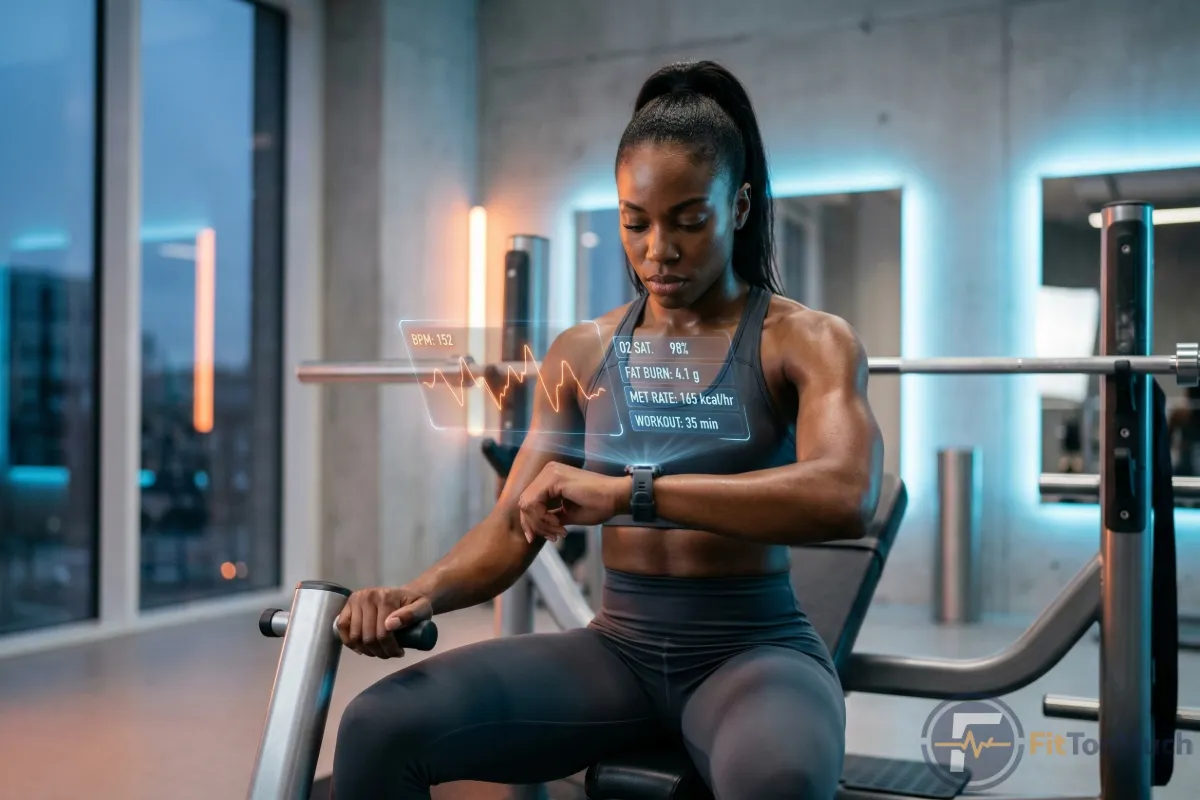
Zone 2: Managing Effort for Aerobic Training
By Mr. Black · Sources (2)

Have you ever wondered why you spend hours huffing and puffing on the treadmill, drenched in sweat and feeling utterly exhausted, yet that stubborn body fat just doesn't seem to go away? Many of us are trapped in the "No Pain, No Gain" mindset, believing that if we aren't dying of exhaustion, it's not working. But sports science tells a different story: sometimes, taking a step back is the only way to move forward.
Zone 2 is an option for aerobic training at a relatively easy effort. Going slower does not guarantee faster fat loss or a disease-proof metabolism. Choose it according to readiness and goals, recognising that the label can refer to different boundaries in different zone models.
1. What exactly is Zone 2? (The Simple Version)
Think of your body like a hybrid car. Zone 2 is that perfect cruising speed where the engine runs most efficiently and saves the most fuel. It's the "Sweet Spot" of human performance.
Zone 2 depends on the zone model. A 60–70% maximum-heart-rate range is an example, not a precise individual boundary. Medication, heat and sensor error affect readings. Use perceived effort and conversation alongside pulse rather than inferring fuel use from heart rate alone.
Exercise uses a mixture of fat and carbohydrate. The proportions change with intensity and individual conditions; increasing speed does not switch fat use off. A higher proportion of fat used during a session is not proof of greater long-term body-fat loss. Overall intake and activity still matter.
2. Mitochondria: Your Tiny Cellular Power Plants
Mitochondria participate in cellular energy production from several fuel sources, not just fat. Aerobic training can improve exercise capacity, but a cellular mechanism is not a promise of rapid weight loss or reversed ageing.
Regular Zone 2 training is like sending a top-tier mechanic to upgrade those engines. It triggers Mitochondrial Biogenesis—the creation of brand new power plants! This results in:
- Energy use: regular training can build aerobic capacity, without guaranteeing automatic weight loss through resting fat use.
- Endurance: everyday tasks may feel easier as fitness improves, depending on the person and task.
- Long-term health: physical activity has multiple benefits, but mitochondrial changes cannot promise reversed ageing or individual disease prevention.
| Quick Comparison | ZONE 2 (Slow & Steady) | HIIT (High Intensity) |
|---|---|---|
| Primary Fuel Source | A mixture of fat and carbohydrate | Mixed fuels, proportions vary with demand |
| Effort Level | Sustainable (Can chat) | Extreme (Can't talk) |
| Recovery Time | Depends on duration and readiness | Allow recovery according to load and symptoms |
3. How to Check Your Zone 2 (Using Body Signals)
You don't need an expensive GPS watch to find your zone. Just listen to these three signals from your body:
Signal #1: The Talk Test
If you can finish a long story or tell a joke to your partner without having to stop for air mid-sentence, you're in the fat-burning heaven. If you can only say one or two words, you're going too fast!
Signal #2: The Nose-Only Rule
Nose or mouth breathing cannot identify your fuel source. Allergies, breathing patterns and comfort also influence it. Breathe comfortably and use perceived effort plus conversation to judge whether the session remains easy.
Signal #3: Comfortable Warmth
On a scale of 1 to 10, Zone 2 is a 3 or 4. You should feel warm and maybe have a light sweat, but your lungs shouldn't feel "on fire" and your muscles shouldn't be burning with pain.
4. Pro Tips for Real Transformation
If you want to see that body fat drop, keep these rules in mind:
- Start manageably: energy use starts immediately, not after a 30-minute switch. Repeatable short bouts are useful; build duration as tolerated.
- Match the planned effort: slow down if conversation becomes difficult to keep an easy session easy, not because fat burning has stopped. No timer reset is needed.
- Baseline Awareness: Before you start, check your daily caloric needs at our BMR/TDEE Calculator and track your nutrition with our Macro Calculator.
Summary: Slow Down to Live Longer
Zone 2 Training isn't for the lazy; it's for the smart. By slowing down today, you are building a powerful aerobic foundation that lets you burn fat more effectively and recover faster. Check your progress with our Body Fat Calculator and keep a consistent log in the Workout Logger to see your success!
A Practical Week and Effort Check
Start with a familiar activity such as walking on level ground in comfortable weather. Choose a duration you can tolerate, then record whether you could speak in full sentences and how tired you felt the next morning. If it is repeatable without disrupting recovery, extend it gradually. A first session need not last an hour, and easy exercise does not have to be scheduled every day.
If a watch reports a higher pulse on a hot day, slow down or rest according to your symptoms rather than chasing yesterday’s speed. Some medicines alter the heart-rate response, so an age formula is not always a target to reach. Measure success by a suitable, repeatable session rather than time counted in a particular watch zone.
Keep the purpose of the session clear. An easy aerobic day should leave room for other activities and recovery. If you are also lifting or doing intervals, consider the combined workload. There is no need to repeat the session because a few minutes fell outside a zone, and no need to compensate with less food. Over several weeks, look for improved comfort at a similar route and effort, not a guarantee of a specific weight change.
Sources and further reading
Mr. Black
A software developer passionate about health and fitness. Created FitTooMuch with the intention of transforming standard scientific formulas into easy-to-use, accurate, and free tools to help everyone with their basic health planning.