CGM and Fat Loss: Reading Glucose Data and Its Limits
By Mr. Black · Sources (2)
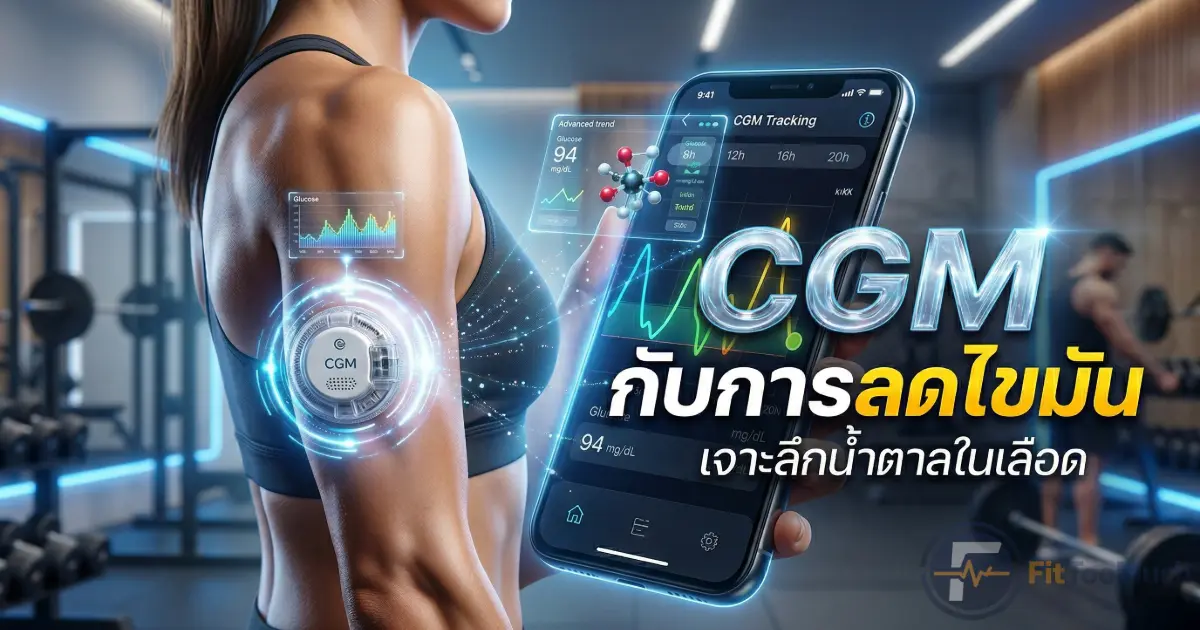
If you walk into a high-performance gym or a biohacking community in early 2026, you'll likely see small, white circular patches on people's triceps. Those aren't nicotine patches—they are Continuous Glucose Monitors (CGMs), and they are revolutionizing how we approach fat loss and metabolic health.
Originally designed as a life-saving tool for Type 1 and Type 2 diabetics, CGMs have migrated into the wellness space. Why? Because they provide a real-time "dashboard" for your metabolism, showing exactly how your body reacts to a bowl of pasta, a stressful meeting, or a late-night workout.
What is a CGM and How Does it Work?
A CGM uses a sensor under the skin to estimate glucose in interstitial fluid and sends readings to a receiver or app. Follow the specific device instructions for insertion and wear. Readings can differ from blood tests, particularly during rapid changes, and insertion or wearing the sensor can cause discomfort or skin irritation.
Unlike traditional finger-prick tests that give you a single data point in time, a CGM provides a continuous curve. This allows you to see the "area under the curve," the speed of the spike, and how long it takes for your body to return to baseline.
The Connection Between Glucose and Fat Loss
Insulin participates in energy regulation, but long-term fat loss cannot be reduced to one hormone. CGM does not directly measure insulin. A glucose reading therefore cannot establish how much body fat is being stored or used.
- Glucose Spikes: When you eat high-glycemic foods, your blood sugar spikes. Your pancreas releases insulin to usher that glucose into your cells.
- Fuel use: the balance of fuel storage and use changes after meals; it is not an on/off switch for long-term fat loss. Assess overall intake and behaviour over time, not one post-meal reading.
- Hunger and symptoms: post-meal hunger has several possible causes. Cravings are not a diagnosis of hypoglycaemia. Concerning symptoms need appropriate assessment rather than a conclusion drawn solely from the steepness of a graph.
3 questions to consider before using CGM
1. Discovering Your Bio-Individuality
Responses can differ between people and between days. Observing a difference generates a question; it does not prove that a nutritious food is preventing fat loss. Consider portions, timing, activity and symptoms before changing what you eat.
2. Moving Beyond "Calories In, Calories Out"
Equal-calorie foods can differ in protein, fibre and satisfaction, but CGM cannot measure overall nutritional quality. A flatter curve is not permission to eat unlimited amounts. Consider both quantity and dietary variety.
3. Sustained Energy and Mental Clarity
Sleepiness or difficulty concentrating after meals can also relate to sleep, medication or other factors. Do not diagnose every afternoon slump as a glucose crash or expect a flat curve to treat it. Persistent symptoms deserve assessment.
Habits to consider alongside CGM
The following are considerations for daily habits, not results from a FitTooMuch study. They do not guarantee the same glucose or body-fat response for every person.
Order Matters
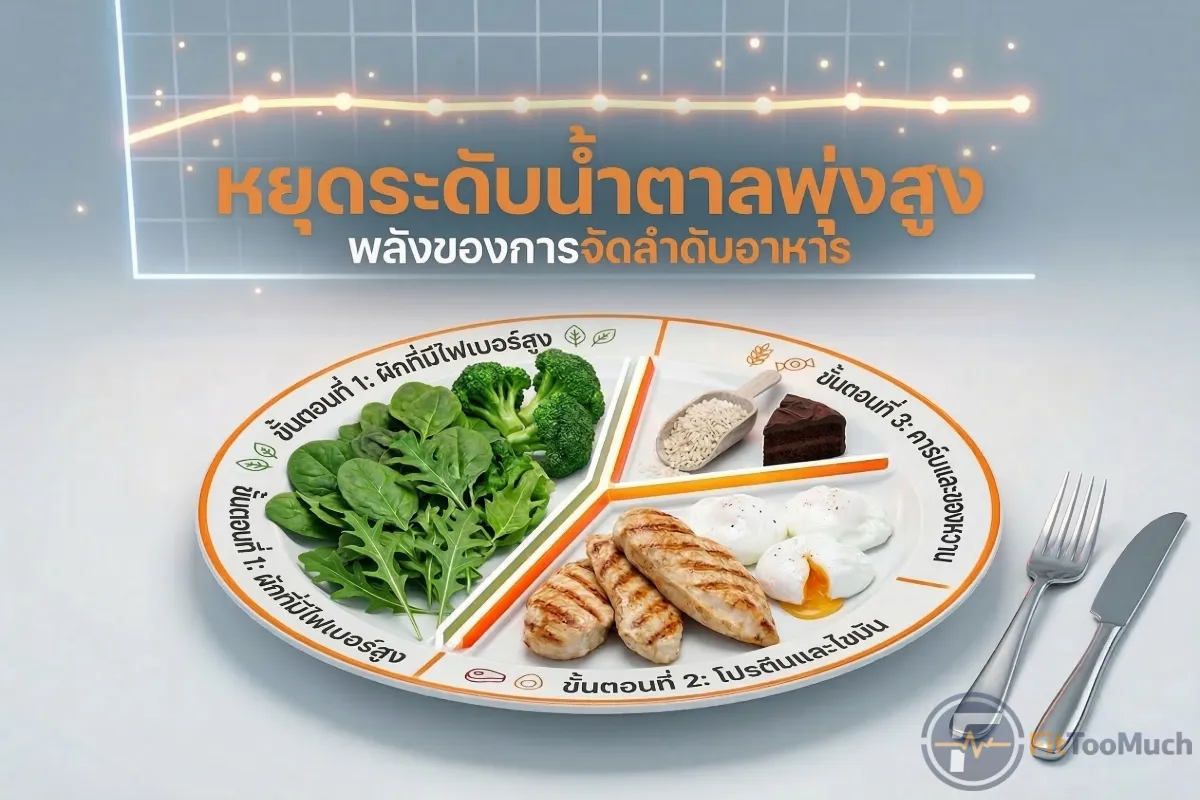
Meal order has been studied in specific populations, but effects depend on the meal and participants. Do not apply a trial percentage to every meal. Read the food-order guide for context.
Muscle Sponges
If comfortable, a gentle post-meal walk can be an opportunity for daily activity. It is not compensation for eating or a guarantee that glucose will not rise. People using glucose-lowering medicines should follow their care plan.
ACV Ritual
Vinegar is not required for a flat curve or weight loss. Consider tolerance when changing a meal and do not substitute a food ritual for medication, symptom assessment or medical advice.
Sleep is Metabolic
Sleep is useful context to record with meals. One short night cannot diagnose insulin resistance. Persistent sleep problems deserve attention to their causes rather than attempts to correct every meal curve.
The Downsides: Don't Become a Slave to the Sensor
While powerful, CGMs aren't perfect. Be aware of these limitations:
- Over-analysis: Some users become obsessive and develop "orthorexia," being afraid to eat any carbs at all.
- Cost: check current sensor, receiver and recurring costs with the provider. Wear duration and price vary by product and country.
- Measurement differences: interstitial and blood readings can differ and the lag is not fixed. If symptoms disagree with the value, follow the device instructions and care-team guidance.
Conclusion: Is it Worth It for You?
For general weight management, do not assume everyone needs to buy a CGM. Belly size or fatigue is not an indication established by this article. Start with food, activity and symptom notes, then discuss whether additional monitoring is appropriate. A device is useful when it answers a relevant question for its intended user.
Before diving into high-tech gadgets, establish your baseline with our Body Fat Calculator or plan your nutritional targets with our Macro Calculator to ensure your CGM experiment is backed by a solid plan!
Read three layers: measurement, pattern and decision
Separate the display into three layers. First is the sensor's estimate at a particular time. Second is the pattern: rising, falling or relatively steady. Third is the meaning for your own care. The first two are device information; the third needs context. A high point on a graph does not establish that a food immediately caused body-fat gain.
Before comparing screenshots, check the units, date, time and meal notes. A cropped graph may hide what happened before or afterwards. Different devices need not agree at every point. Follow the manufacturer's process for checking unexpected readings instead of using an internet chart as your personal treatment threshold.
A rice-meal example without overinterpreting it
Imagine eating rice, chicken and vegetables at noon on Monday. On Tuesday the dish has the same name, but the rice portion, cooking oil and sauce differ, and you walk afterwards. If the curves differ, you cannot attribute that to rice or chicken alone: several conditions changed. This is an illustrative scenario, not a FitTooMuch experiment or a reported patient outcome.
Record the meal, approximate portion, timing, activity and symptoms. There is no need to photograph every bite or turn ordinary eating into a laboratory exercise. If records are needed for treatment, use the format your care team requests. Asking what changed is more useful than declaring a food unsuitable after one meal.
Compare tools by the question they answer
| Tool | Useful information | What it cannot establish |
|---|---|---|
| CGM | Estimated glucose and its pattern over time | A meal's calories or the amount of fat lost |
| Food diary | Recorded foods, portions and eating patterns | Exact nutrients when recipes or quantities are unknown |
| Weight and waist records | Body-size trends using a consistent method | Every cause of change or a medical diagnosis |
| Clinical assessment | Relevant history, symptoms and appropriate tests | It should not be replaced by a single app score |
Questions before purchasing
Name the decision you want the information to support. Is a clinician seeking data for a diabetes care plan, or do you simply want to know which lunch keeps you satisfied? For the latter, food and hunger notes may be sufficient. Buying a device before defining the question can add cost without adding useful information.
Check the device's intended users and regulatory status in your country, whether a prescription is required, phone compatibility and ongoing costs. Sensor lifespan, pricing and features vary by product and change over time. This guide therefore gives neither a universal price nor a product ranking that assumes everyone has the same needs.
Privacy and the burden of constant numbers
Before connecting an app, check where health information is stored, who receives it and how you can export or delete it. Avoid sharing screenshots containing names, identifiers or information you would prefer to keep private. More data does not automatically mean better self-care.
If checking graphs makes you afraid of food, avoid social meals or lose sleep, review the monitoring approach with a healthcare professional. People using a prescribed care plan should not stop or change it on their own. People experimenting for general interest do not need to turn every meal into a competitive score.
Common questions
Does a flat curve mean I am losing body fat? No. CGM does not measure fat-mass change. For weight-related goals, review habits and multiweek trends together rather than assigning success or failure to one meal.
Can I diagnose diabetes myself with a graph? Do not use this article or an app to make a diagnosis. If you are concerned about glucose, ask a healthcare professional which assessment is appropriate for your circumstances.
Do I need CGM to use FitTooMuch? No. The calculators and food log work independently. This site does not connect to your sensor or provide clinical interpretation of its data.
Sources and further reading
Mr. Black
A software developer passionate about health and fitness. Created FitTooMuch with the intention of transforming standard scientific formulas into easy-to-use, accurate, and free tools to help everyone with their basic health planning.