High BMI Doesn't Always Mean Fat: Muscle vs. Fat Density
By Mr. Black · Sources (1)
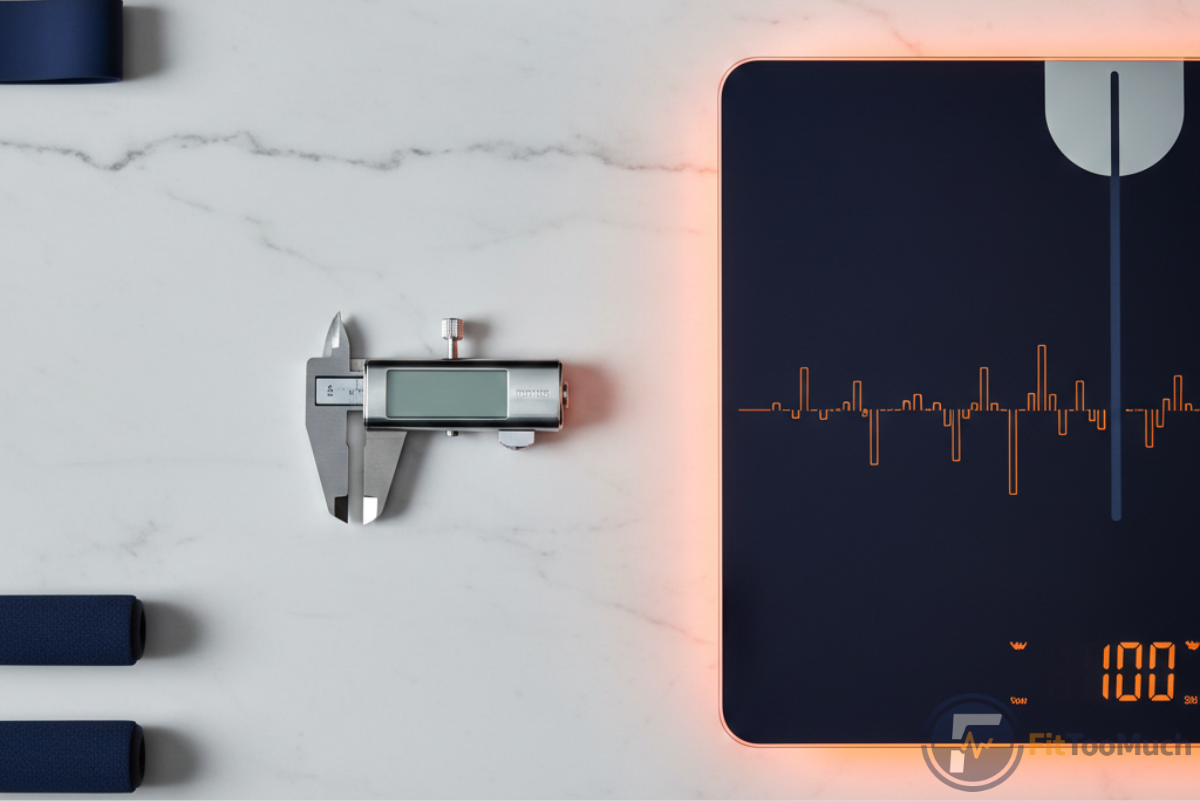
Body Mass Index (BMI) is a standard tool used by healthcare providers to assess health risks. However, it is a "general" measurement that doesn't tell the full story of your body composition.
The Limitations of BMI
BMI only uses height and weight. It does not distinguish between fat mass and lean muscle mass. This is why highly active individuals, like bodybuilders or rugby players, are often classified as "overweight" or "obese" despite having very low body fat.
Muscle is Denser than Fat
Muscle is denser than fat, so equal masses occupy different volumes, but not a threefold difference. Two people with the same height, weight and BMI can look different because of body composition and fat distribution. Appearance alone cannot establish health, and a lean appearance is not a substitute for other relevant measurements.
A Better Approach
Use BMI alongside waist measurements, health history and other relevant findings. Our Body Fat Calculator estimates from circumferences; it does not directly measure fat. A particular body-fat range cannot certify good health. Measure consistently and consider trends rather than classifying your health from one reading.
Sources and further reading

Mr. Black
A software developer passionate about health and fitness. Created FitTooMuch with the intention of transforming standard scientific formulas into easy-to-use, accurate, and free tools to help everyone with their basic health planning.