5 Red Flags You Are Overtraining (and How to Fix It)
By Mr. Black · Sources (1)
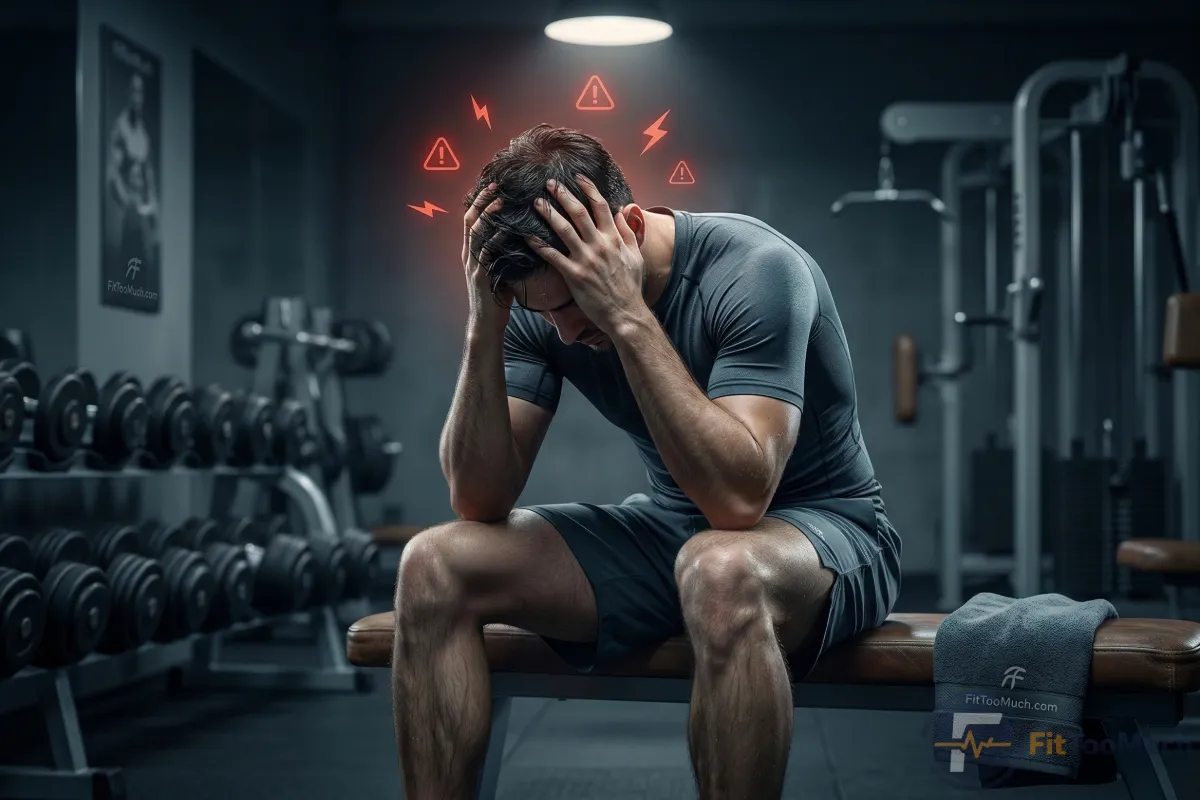
In the fitness world, we're often told "No Pain, No Gain." But sometimes, excessive hard work without proper rest can lead to Overtraining Syndrome (OTS), which harms both your body and your mind.
1. Decreased Performance (Stagnation)
If you find that weights you used to lift easily now feel impossibly heavy, or you're slower on your runs despite trying just as hard, your muscles and nervous system likely haven't recovered.
2. Chronic Fatigue and Insomnia
Paradoxically, being overworked can make it harder to sleep. Overtraining disrupts your autonomic nervous system, keeping your body in a state of "high alert" even when you're exhausted.
3. Mood Swings and Loss of Motivation
Mood changes or loss of motivation may reflect stress, fatigue or other factors. They do not establish elevated cortisol or overtraining syndrome. Reducing demands and reviewing recovery can be a starting point; persistent distress affecting everyday life warrants support.
4. Persistent Aches and Frequent Illness
A fatigued body has a weakened immune system. If you find yourself catching colds more often or dealing with nagging joint pains that won't go away, you need to rest.
5. Elevated Resting Heart Rate
Resting pulse changes with sleep, caffeine, heat, illness and measurement error. A rise of 5–10 beats per minute is not a diagnostic threshold for OTS. Consider trends alongside symptoms and performance. Persistent abnormalities, palpitations, dizziness or chest pain warrant appropriate assessment.
How to Fix and Prevent It
- Reduce training demand: load, sets or frequency can be reduced. A 50% cut every 4–8 weeks is not required for everyone; individualise it to fatigue and the plan.
- Active Recovery: On rest days, do light activities like walking or stretching to promote blood flow without adding stress.
- Listen to your body: If you are truly exhausted, one extra rest day will benefit you more than a forced, poor-quality workout.
Keep track of your training volume using our Workout Logger. If you notice a consistent drop in performance, it might be time for a deload week!
Short-term fatigue after hard training differs from OTS, which requires consideration of other causes such as illness or inadequate energy intake. Do not use this article to diagnose yourself. If performance remains impaired despite recovery, bring training, sleep and food records to an appropriate professional.
Sources and further reading

Mr. Black
A software developer passionate about health and fitness. Created FitTooMuch with the intention of transforming standard scientific formulas into easy-to-use, accurate, and free tools to help everyone with their basic health planning.