The Ultimate Guide: 5 Easy At-Home Exercises for Everyone (No Equipment Needed!)
By Mr. Black · Sources (2)
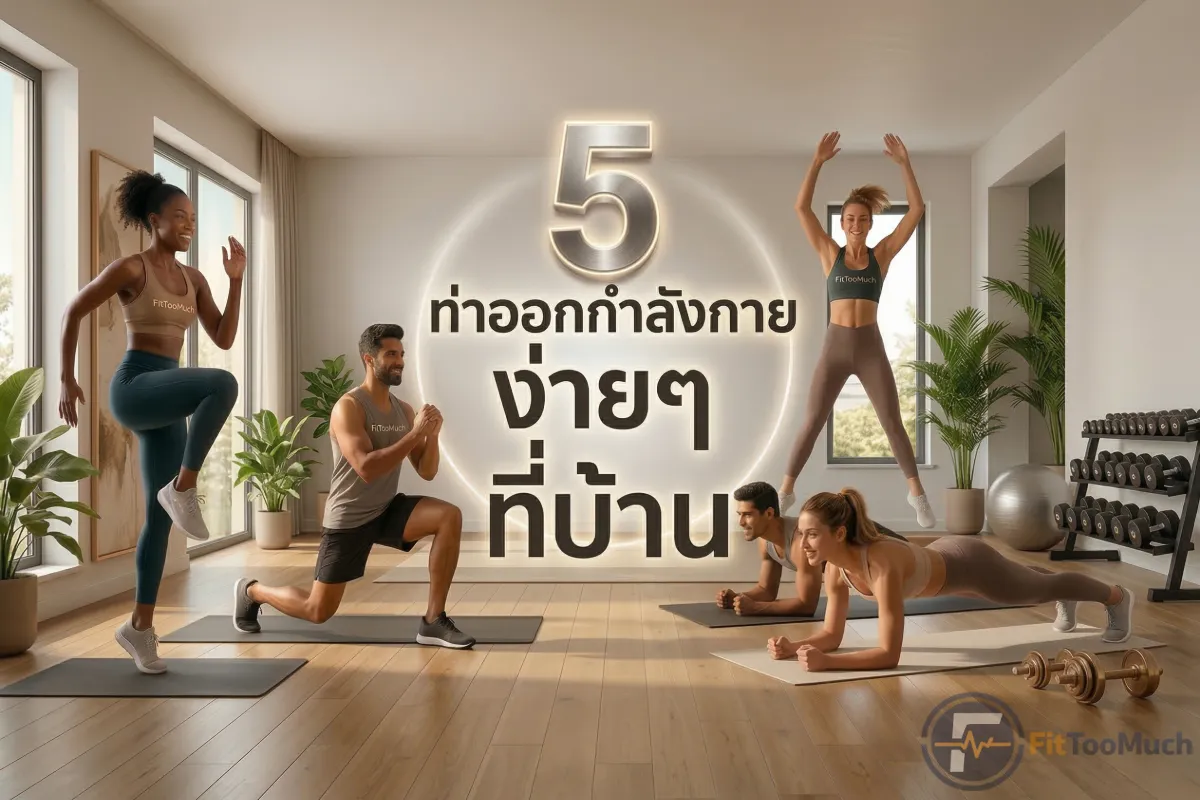
In an era where time is the most precious commodity, many people use "no time for the gym" or "no equipment" as excuses to neglect their physical health. However, compelling research in sports medicine suggests that home-based bodyweight exercises are more than sufficient to build cardiovascular health, increase muscle mass, and effectively manage weight—often rivaling the results of expensive gym memberships.
Today, FitTooMuch is providing a comprehensive deep dive into 5 "power moves" that are incredibly simple yet profoundly effective. We'll explore the science behind these exercises, master the proper form to prevent injury, and provide a roadmap for your fitness journey.
Why Home Workouts?
Training at home removes travel and equipment queues, which may make starting easier. It does not guarantee a 50% improvement in adherence. Space, preferences and schedules matter. Choose a safe area with room to move and begin with a repeatable short session before increasing difficulty.
1. High Knees: The High-Intensity Fat Burner
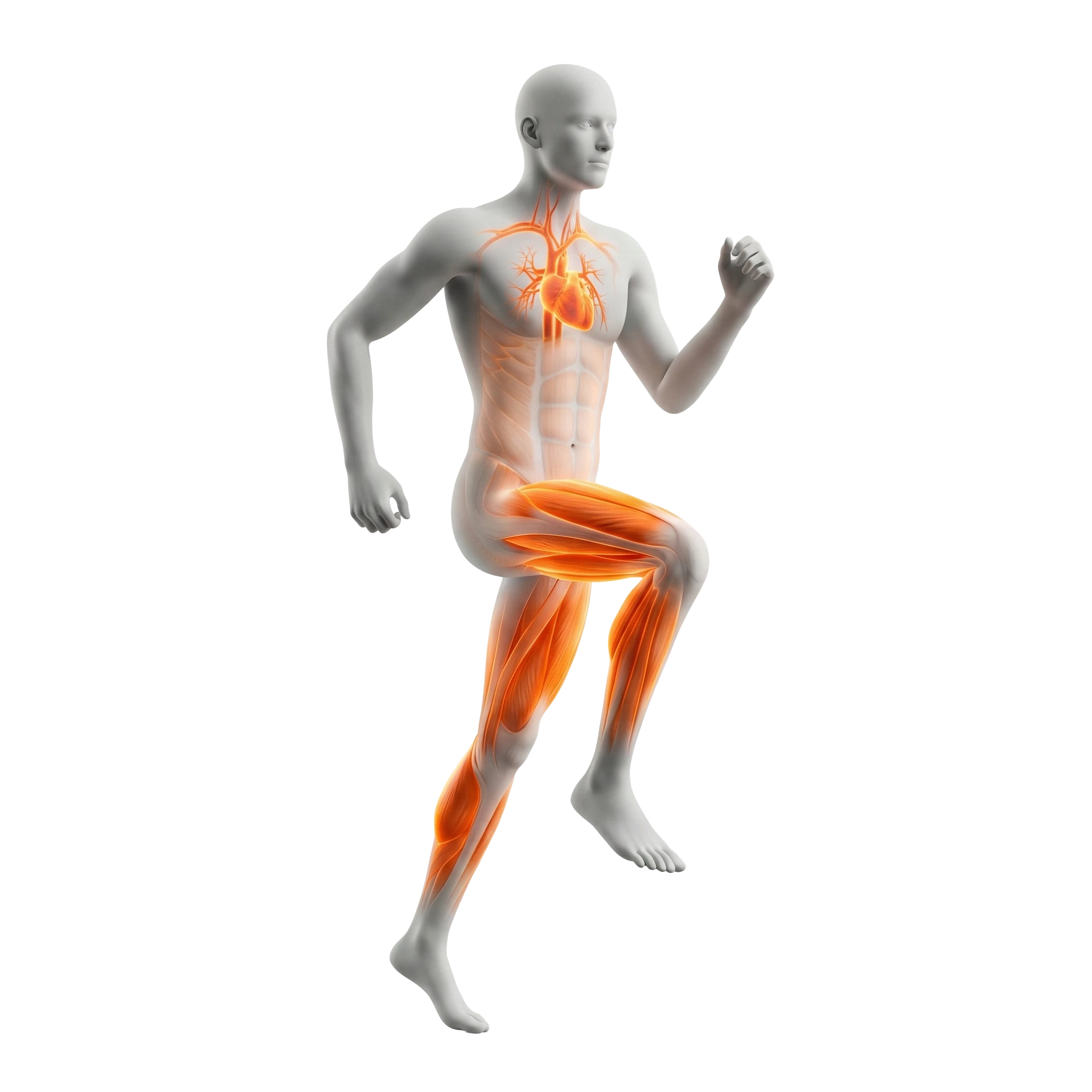
We kick off the routine with a heart-pumping cardio move. High Knees require minimal space but deliver maximal results. They engage your core, strengthen your legs, and rapidly improve cardiovascular endurance.
Mastering the Form
- Stance: Stand tall with feet hip-width apart. Keep your arms at your sides or bent at 90 degrees.
- Movement: Run in place, driving your knees up to hip height. Move your arms in sync with your legs.
- Pro-Tip: Always land softly on the balls of your feet to protect your joints. Keep your core tight.
Variations: If running is too intense, perform "High Knee Marches" at a slower, controlled pace.
2. Wall Push-Ups: Upper Body Foundation
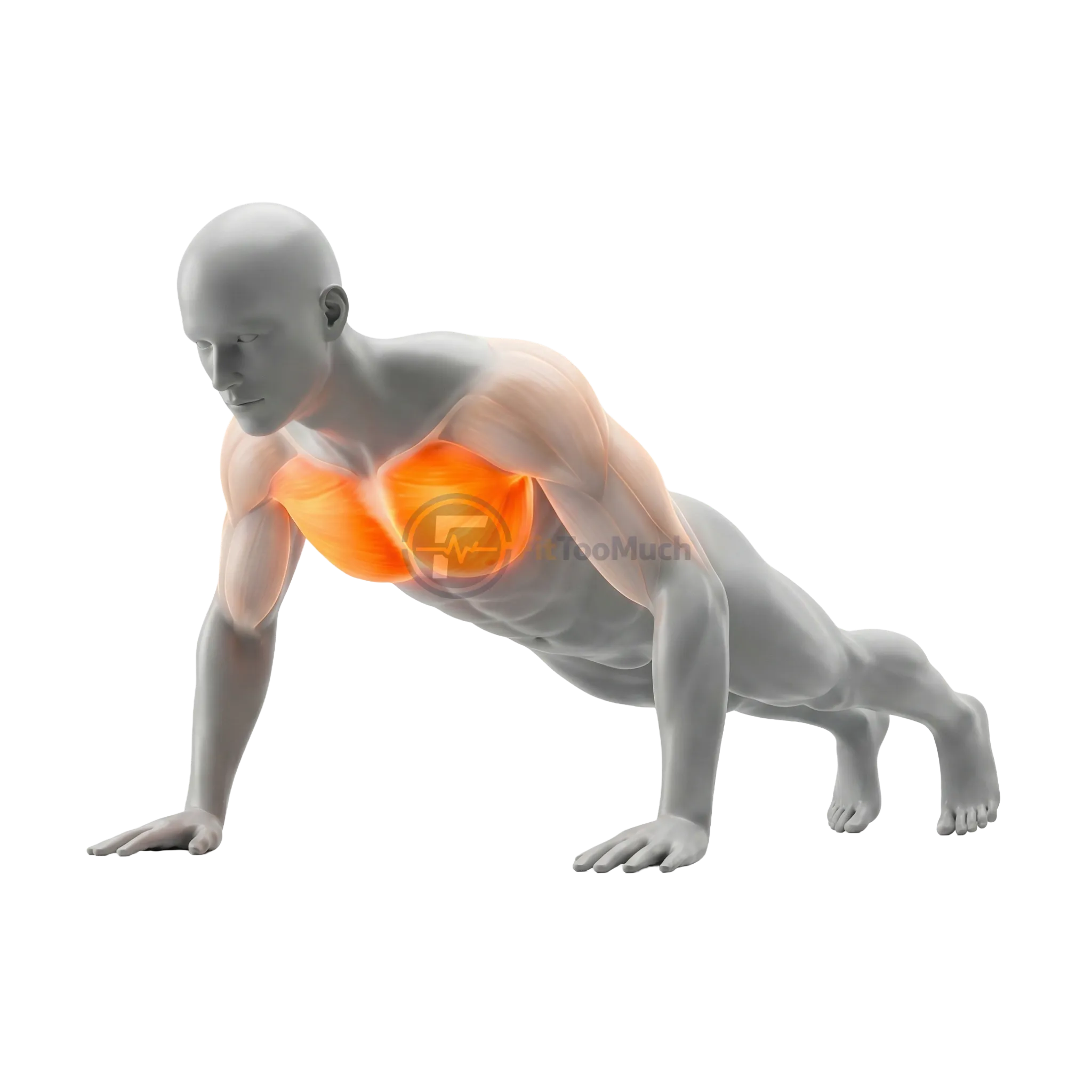
Standard floor push-ups can be intimidating. The Wall Push-up is the perfect entry point to build strength in the chest, shoulders, and triceps without putting undue stress on your joints.
Mastering the Form
- Hand Placement: Place your hands on the wall slightly wider than shoulder-width, at chest height.
- Body Alignment: Engage your core to keep your body in a straight line from head to heels. Don't let your hips sag.
- Breathing: Inhale as you lower towards the wall, and exhale as you push back to the starting position.
Progression: As you get stronger, move your feet further from the wall or use a lower surface like a sturdy table.
3. Plank: The Core Pillar
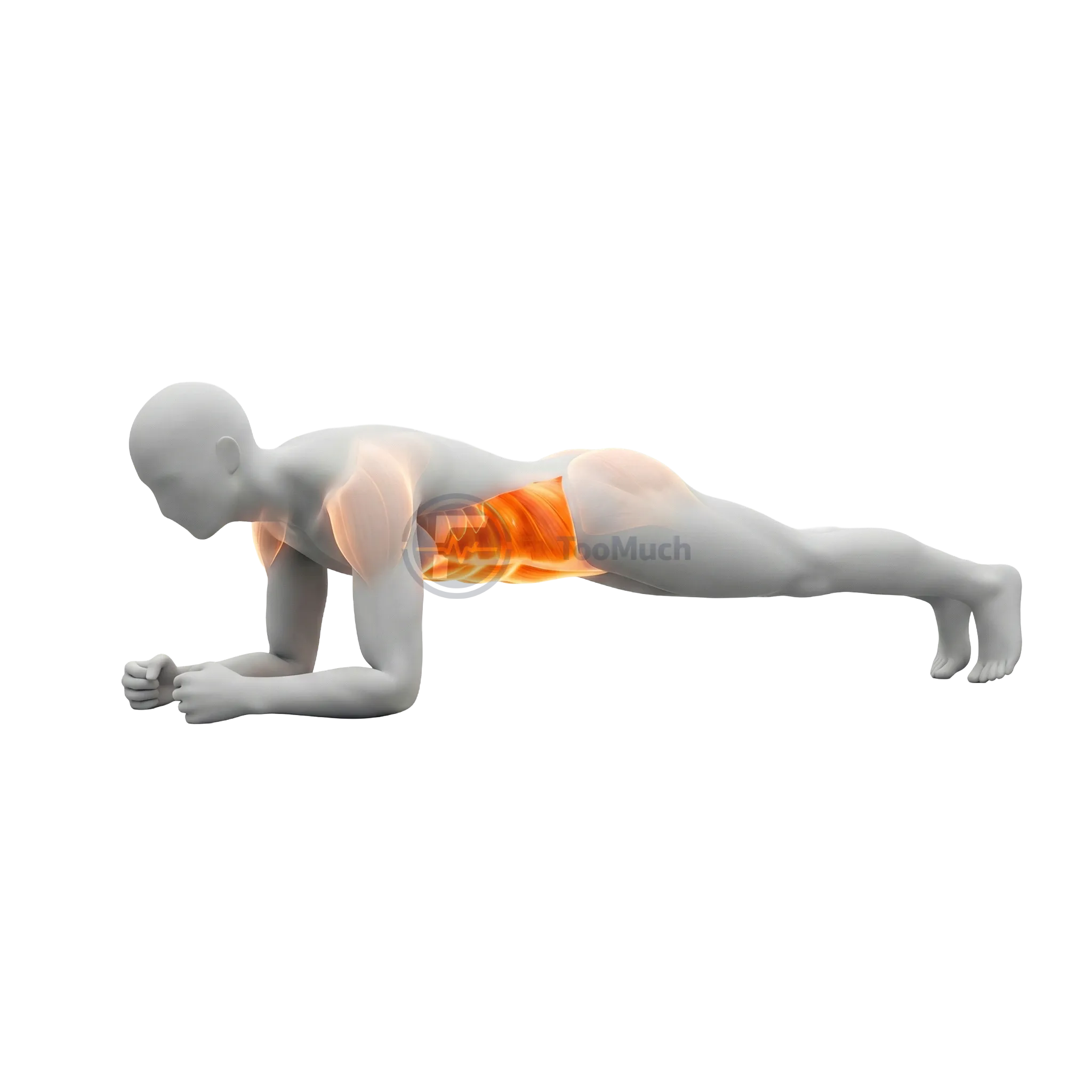
Instead of traditional crunches which can strain the lower back, we recommend the Plank. This is an isometric exercise that builds exceptional core stability and protects your spine.
Mastering the Form
- Elbow Position: Align your elbows directly under your shoulders. Spread your fingers to create a stable base.
- Engagement: Squeeze your glutes and pull your navel towards your spine as if bracing for a punch. This stabilizes the pelvis.
- Vision: Look at the floor between your hands to maintain a neutral cervical spine.
4. Lunges: Balance and Unilateral Strength
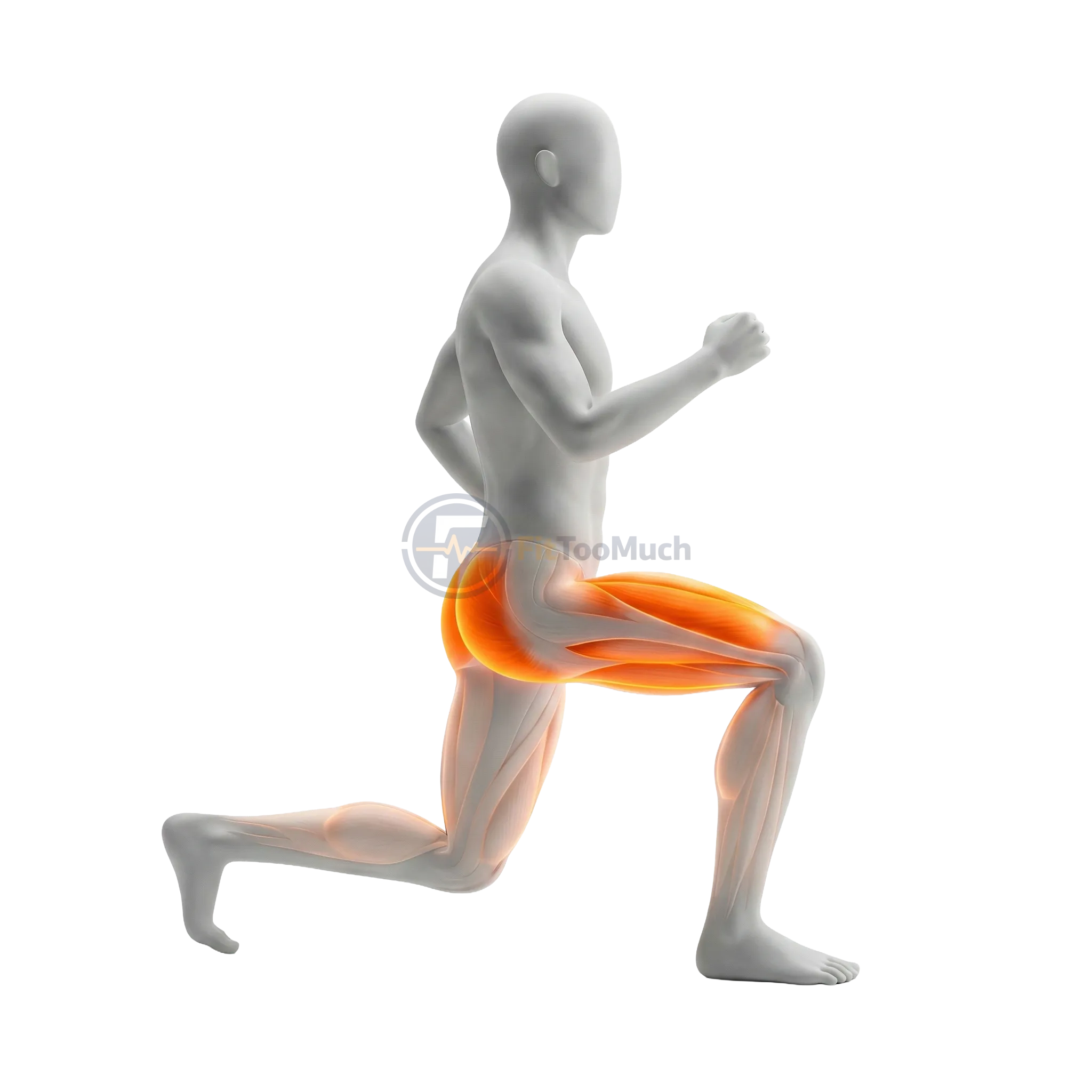
Lunges are an excellent unilateral (one-sided) exercise. They help correct muscle imbalances and stretch the hip flexors, which often become tight from prolonged sitting.
Mastering the Form
- The Step: Step forward far enough so that both knees form a 90-degree angle at the bottom of the move.
- Weight Distribution: Keep your weight centered between your legs. Don't lean too far forward or backward.
- Stability: If you feel wobbly, widen your stance (step out laterally) as if standing on railroad tracks rather than a tightrope.
5. Jumping Jacks: The Classic Calorie Burner
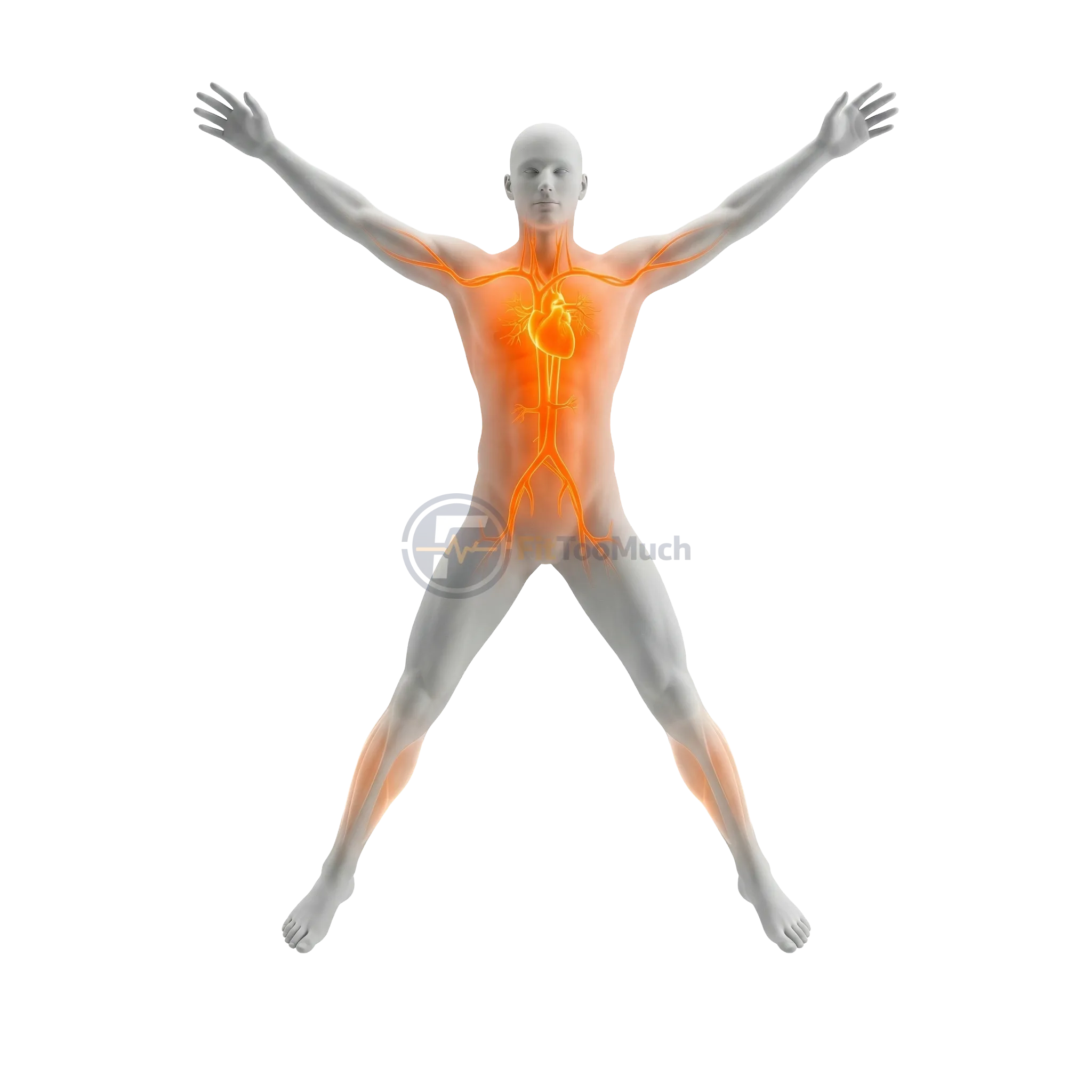
Finish strong with this classic move. It improves circulation and increases bone density through light-impact loading, leaving you feeling energized and refreshed.
Mastering the Form
- Impact: Always land on the balls of your feet to minimize shock to the knees.
- Knee Position: Maintain a slight bend in the knees throughout to act as natural shock absorbers.
- Rhythm: Focus on a steady, consistent rhythm rather than jumping as high as possible.
The 20-Minute Beginner Routine
Combine these 5 moves into a circuit for a full-body blast:
- High Knees: 45 seconds | Rest 15 seconds
- Wall Push-Ups: 45 seconds | Rest 15 seconds
- Plank: 45 seconds | Rest 15 seconds
- Lunges: 45 seconds | Rest 15 seconds
- Jumping Jacks: 45 seconds | Rest 15 seconds
** Repeat 3-4 rounds for a complete 20-minute workout. **
Common Mistakes to Avoid
1. Holding Your Breath: Always exhale on the effort to maintain steady blood pressure.
2. Quality over Quantity: Focus on perfect form to prevent long-term wear and tear on your joints.
3. Skipping the Warm-up: Spend 2-3 minutes marching in place or doing arm circles before you start.
Conclusion: Consistency is the Real Power
Getting healthy doesn't require a massive overnight change. It’s about the small decision to move every single day. These 5 moves are your foundation. Once you start seeing progress and feeling stronger, your body will naturally crave the next level of fitness.
Check your baseline at our BMI Calculator and track every victory in the Workout Logger. We are with you every step of the way!
Make the Circuit Manageable
The 45-second work, 15-second rest and 3–4 round example is not a minimum. One round takes about five minutes, so three rounds take 15 and four take 20, before warm-up time. Start with one round or longer rests if needed. March instead of jumping and use stable support. Stop for pain rather than chasing the timer. Suitable technique helps manage load but cannot guarantee injury prevention.
Sources and further reading

Mr. Black
A software developer passionate about health and fitness. Created FitTooMuch with the intention of transforming standard scientific formulas into easy-to-use, accurate, and free tools to help everyone with their basic health planning.